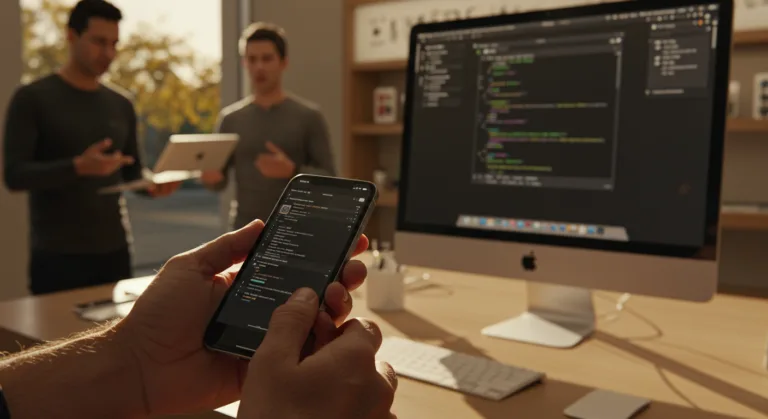
For indie developers, standing out in the crowded app marketplace feels like shouting into a hurricane. The big studios have marketing budgets that dwarf entire indie projects. How can you, as an indie developer, make your voice heard and get your game or app into the hands of players? These are the top 10 strategies primarily targeting indie developers using smart technology in 2026.
Key Takeaways
- Create a detailed marketing plan with specific goals and a budget allocation before writing a single line of code.
- Engage with players early and often through Discord or other community platforms to build a loyal following.
- Use analytics tools to track key metrics like downloads, retention, and revenue to optimize your marketing efforts.
- Consider using AI-powered tools to automate tasks like social media posting and ad campaign management.
- Don’t underestimate the power of free content and demos to attract new players.
Sarah, a solo developer based here in Atlanta, spent two years crafting “Starlight Symphony,” a beautiful puzzle game with a captivating soundtrack. She poured her heart and soul into the project, meticulously designing each level and composing the music herself. Launch day arrived, and… crickets. Despite positive reviews from a few gaming blogs, “Starlight Symphony” was lost in the noise of the app stores. Sarah had focused so much on the development that she neglected the marketing.
This is a common story. Many indie developers, especially those with a strong technical background, prioritize coding over promotion. They assume that if their game is good enough, it will find an audience organically. Unfortunately, that’s rarely the case.
So, what can indie developers do to improve their chances of success? Here are 10 strategies that have proven effective in 2026:
1. Develop a Comprehensive Marketing Plan
Before you write a single line of code, create a detailed marketing plan. This plan should outline your target audience, marketing goals, budget, and key performance indicators (KPIs). What are you hoping to achieve? More downloads? Higher revenue? A dedicated community? Define your goals and track your progress.
We at my firm always advise clients to allocate at least 20% of their budget to marketing. It sounds like a lot, but it’s essential for visibility. I had a client last year who tried to launch a mobile game with virtually no marketing budget. The results were predictably disastrous. A lesson learned the hard way.
2. Build a Community Early and Often
Don’t wait until your game is released to start building a community. Create a Discord server, a subreddit, or a forum where players can connect with you and each other. Share development updates, ask for feedback, and run contests. The earlier you start, the more engaged your community will be.
It’s about fostering a sense of ownership. When people feel like they’re part of the development process, they’re more likely to become loyal fans and advocates for your game.
3. Embrace Content Marketing
Create blog posts, videos, and social media content that showcases your game and its development. Share behind-the-scenes glimpses of your work, discuss the challenges you’ve faced, and highlight the features that make your game unique. Content marketing helps you attract potential players and establish yourself as an expert in your field. Think about tutorials, developer diaries, and even speedrunning videos.
4. Master App Store Optimization (ASO)
ASO is the process of optimizing your app store listing to improve its visibility in search results. This includes choosing the right keywords, writing a compelling description, and creating eye-catching screenshots and videos. A well-optimized app store listing can significantly increase your game’s downloads. There are many ASO tools available, but manual keyword research focusing on long-tail keywords that accurately reflect your game’s niche is still invaluable.
5. Leverage Social Media
Social media is a powerful tool for reaching potential players. Use platforms like TikTok, Instagram, and X to share engaging content and interact with your audience. Run targeted ads to reach specific demographics and interests. Just be sure to choose the platforms that are most relevant to your target audience.
I know, I know, social media feels like a full-time job. But it doesn’t have to be. Schedule your posts in advance using tools like Buffer or Hootsuite. And don’t be afraid to experiment with different types of content to see what resonates with your audience.
6. Explore Influencer Marketing
Partner with influencers who have a large and engaged audience of gamers. Send them review copies of your game and ask them to create videos or streams showcasing it. Influencer marketing can be an effective way to reach a wider audience and generate buzz around your game.
However, be selective about the influencers you work with. Look for those who are genuinely passionate about your genre and who have a reputation for honest reviews. A fake or disingenuous endorsement can do more harm than good.
7. Run Targeted Ads
Use platforms like Google Ads and social media advertising to target specific demographics and interests. This allows you to reach potential players who are most likely to be interested in your game. Experiment with different ad formats and targeting options to see what works best.
A/B testing is your friend here. Try different ad copy, images, and targeting options to see which combinations generate the best results. And don’t forget to track your ad spend and ROI to ensure that you’re getting a good return on your investment.
8. Participate in Game Jams and Events
Game jams and industry events are great opportunities to network with other developers, get feedback on your game, and showcase your work to potential publishers and investors. Participating in these events can help you build relationships and gain valuable exposure.
Atlanta, specifically, has a thriving indie game scene. Check out events at the Georgia Tech Digital Media Center or the various meetups organized through Meetup.com. It’s all about getting your game in front of people.
9. Offer Free Content and Demos
Give potential players a taste of your game by offering free content or demos. This allows them to try before they buy and see if your game is a good fit for them. A well-crafted demo can be a powerful marketing tool.
Think about offering a limited number of levels, a free trial period, or even a completely free version of your game with in-app purchases. The key is to give players enough value to entice them to upgrade to the full version.
10. Use Analytics to Track Your Progress
Use analytics tools to track key metrics like downloads, retention, and revenue. This data will help you understand what’s working and what’s not, so you can adjust your marketing strategy accordingly. Pay close attention to user behavior and identify areas where you can improve the player experience.
Tools like Amplitude and Mixpanel can provide valuable insights into how players are interacting with your game. Use this data to optimize your gameplay, monetization strategy, and marketing efforts.
Back to Sarah: After her initial disappointment, she decided to take a different approach. She enrolled in an online marketing course, joined a local indie developer group, and started implementing the strategies outlined above. She rebuilt her app store page with targeted keywords. She started posting regularly on TikTok, showing off the game’s beautiful visuals and sharing behind-the-scenes insights. She even partnered with a small gaming influencer who specialized in puzzle games.
Within a few months, “Starlight Symphony” started to gain traction. Downloads increased, reviews improved, and Sarah finally started to see a return on her investment. While she didn’t become an overnight millionaire, she built a loyal fan base and generated enough revenue to continue working on her next project. Perhaps she could even think about scaling up, and avoid common app scaling issues.
The lesson? Marketing is just as important as development. By implementing these strategies, indie developers can increase their chances of success and get their games into the hands of players who will love them.
How much should I budget for marketing as an indie developer?
A good rule of thumb is to allocate at least 20% of your total budget to marketing. This may seem like a lot, but it’s essential to get your game noticed in the crowded app marketplace. If you’re bootstrapping, focus on free or low-cost marketing strategies like social media and content marketing.
What are the most important KPIs to track for my game?
Key performance indicators (KPIs) vary depending on your game and goals, but some common metrics to track include downloads, daily/monthly active users (DAU/MAU), retention rate, conversion rate (from free to paid), and average revenue per user (ARPU).
Is influencer marketing worth it for indie developers?
Influencer marketing can be effective, but it’s important to choose the right influencers. Look for those who are genuinely passionate about your genre and who have a reputation for honest reviews. Micro-influencers (those with smaller, more engaged audiences) can often be a more cost-effective option than larger, more general influencers.
How can AI help with my indie game marketing?
AI can assist with various marketing tasks, such as generating social media content, optimizing ad campaigns, and personalizing player experiences. AI-powered tools can analyze data to identify trends and insights that can inform your marketing strategy. However, it’s important to use AI tools ethically and responsibly.
What’s the biggest mistake indie developers make with marketing?
The biggest mistake is neglecting marketing altogether or starting too late in the development process. Marketing should be an integral part of your development plan from the very beginning. Start building a community, creating content, and optimizing your app store listing well before your game is released.
Don’t let your hard work go unnoticed. By embracing these technology-driven strategies for primarily targeting indie developers, you can cut through the noise and find your audience. Start planning today: what one action will you take this week to boost your visibility?