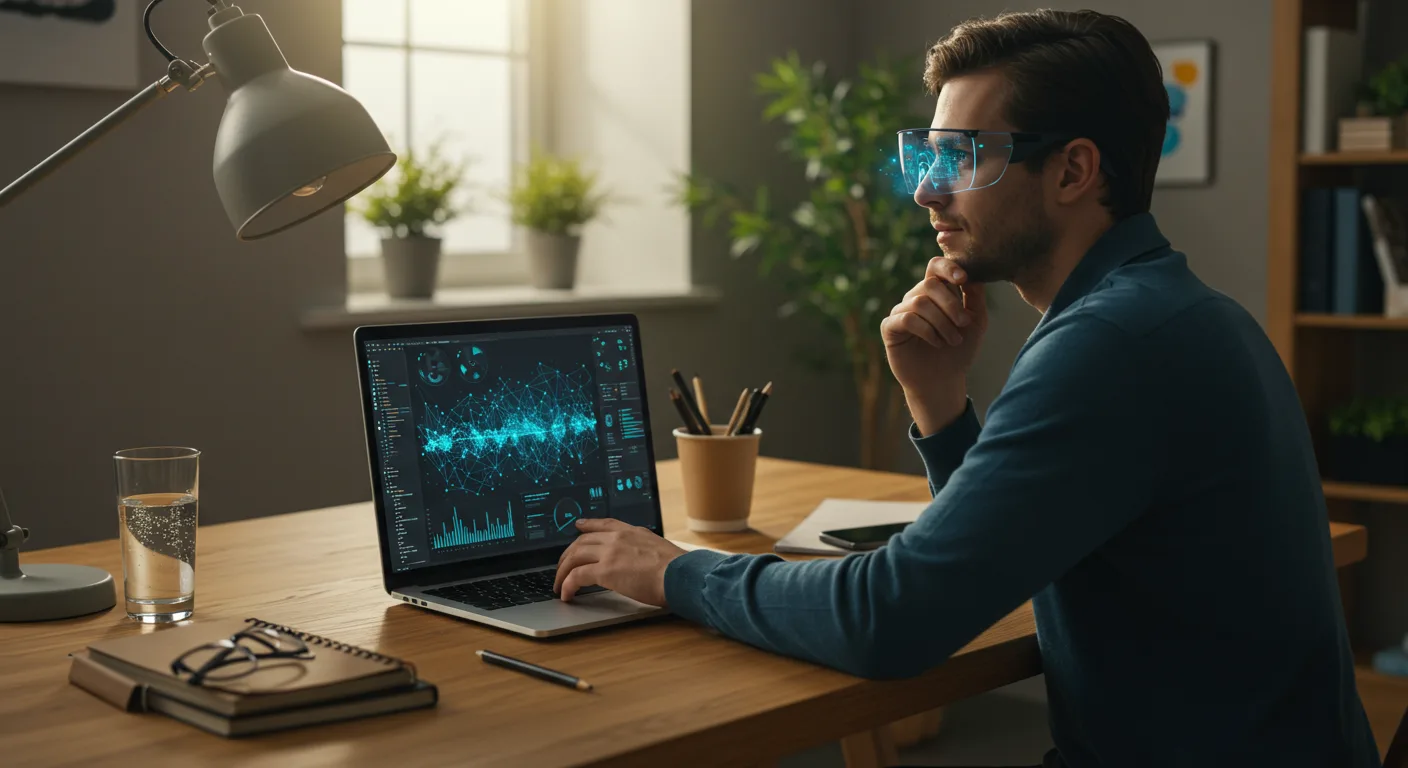
The Future of Influencer Marketing: Technology’s Transformative Role
The world of influencer marketing is in constant flux, and technology is the driving force behind its evolution. But what specific changes can we expect to see by 2026? Will AI-generated influencers dominate, or will authenticity prevail?
Key Takeaways
- AI-powered influencer vetting tools will become essential for brands to avoid costly partnerships with fraudulent or ineffective influencers.
- Virtual and AI-generated influencers will see increased adoption, especially for highly controlled brand messaging, but authenticity concerns will limit their overall impact.
- Micro-influencers focusing on niche communities will gain importance as consumers seek more genuine and relatable recommendations.
The Rise of AI-Powered Influencer Vetting
One of the biggest challenges in influencer marketing today is identifying genuine influencers with authentic engagement. Fake followers and bots are rampant, making it difficult for brands to determine which partnerships will actually deliver results. By 2026, I predict AI-powered vetting tools will be the norm. These tools could even be powered by AI, much like influencer marketing’s AI revolution.
These tools will go far beyond simply analyzing follower counts. They’ll assess engagement quality, audience demographics, content authenticity, and even past campaign performance. Imagine a platform that can analyze an influencer’s comment section for bot activity, identify suspicious engagement patterns, and even detect AI-generated content. This is not science fiction; it’s the direction we’re headed. We’ll see more companies like Neal Schaffer and other AI-powered influencer marketing platforms emerge.
A recent report by the Association of National Advertisers (ANA) estimated that brands lose billions of dollars each year due to ad fraud, including fake influencer engagement. According to the ANA’s 2023 report on marketing accountability [https://www.ana.net/content/show/id/mkting-accountability], this number will only increase as influencer marketing grows, making sophisticated vetting solutions a necessity. I had a client last year who learned this the hard way. They partnered with an influencer who appeared to have a large following, but their campaign generated almost no sales. It turned out that a significant portion of the influencer’s audience was fake.
Virtual Influencers: A Controlled Narrative
Virtual influencers – computer-generated characters with their own personalities and online presence – have been around for a few years, but their popularity is expected to surge. Brands are attracted to the control that virtual influencers offer. They can dictate every aspect of their persona, messaging, and even their physical appearance.
However, there’s a catch. While virtual influencers provide a controlled narrative, they often lack the authenticity that consumers crave. Will people genuinely connect with a CGI character promoting skincare products? Maybe, but I suspect many will see right through it. This is where AI apps adapting to the ecosystem becomes so important.
A study by the Pew Research Center [https://www.pewresearch.org/internet/2025/11/26/tech-and-the-future-of-marketing-and-advertising/] found that consumers are increasingly skeptical of online advertising and value authenticity above all else. This is a challenge that virtual influencers will need to overcome to achieve widespread adoption. It’s also a challenge for brands. Do you want to work with a real person who can make mistakes and offer genuine opinions, or do you want a perfectly polished avatar who will never deviate from the script?
The Power of Niche: Micro-Influencers Take Center Stage
While mega-influencers with millions of followers still have their place, I believe the real power lies with micro-influencers. These individuals have smaller, more engaged audiences within specific niches. Think of a local Atlanta foodie with 5,000 followers who regularly posts about restaurants in the Virginia-Highland neighborhood. Or a fitness enthusiast in Marietta with 3,000 followers who specializes in CrossFit training.
Micro-influencers offer several advantages. First, their audiences are typically more targeted, leading to higher engagement rates and better conversion rates. Second, they’re often more affordable than mega-influencers, making them accessible to smaller businesses. Third, they tend to be perceived as more authentic and relatable. Discovering these micro-influencers can be a key to scaling up your startup.
We recently worked with a local bookstore, Eagle Eye Book Shop [no link available], to promote a new book release. Instead of targeting general book lovers, we partnered with micro-influencers who focused on specific genres, such as science fiction, fantasy, and historical fiction. The results were impressive. The campaign generated a significant increase in book sales and website traffic.
Technology Enhances Authenticity
Wait, isn’t technology supposed to decrease authenticity? It’s a fair question. AI can certainly be used to create fake content and manipulate audiences. But it can also be used to enhance authenticity.
Consider these examples:
- AI-powered content analysis: Tools can analyze influencer content to identify potential inconsistencies, biases, or hidden agendas. This helps brands ensure that their partners are aligned with their values and messaging.
- Blockchain-based transparency: Blockchain technology can be used to track influencer engagement and verify the authenticity of their followers. This provides brands with a transparent and auditable record of their campaigns.
- AR/VR experiences: Augmented reality (AR) and virtual reality (VR) can create immersive and interactive experiences that allow influencers to connect with their audiences on a deeper level. Imagine an influencer hosting a virtual cooking class in their own kitchen, or taking their followers on a virtual tour of a local farm.
Here’s what nobody tells you: authenticity isn’t about being perfect. It’s about being real. And technology can help influencers be more real, more transparent, and more engaging.
The Regulatory Environment: Navigating the Legal Maze
As influencer marketing becomes more sophisticated, so too will the regulatory environment. The Federal Trade Commission (FTC) has already issued guidelines on influencer marketing, requiring influencers to disclose their relationships with brands. In 2026, I expect these guidelines to become even stricter and more comprehensive. Staying ahead of these changes is critical for app developers adapting to AI.
Specifically, I anticipate the FTC will focus on the following areas:
- Clear and conspicuous disclosures: The FTC will likely crack down on influencers who bury their disclosures in the fine print or use vague language. Disclosures must be clear, conspicuous, and easily understood by consumers.
- Endorsement liability: The FTC may hold influencers liable for false or misleading claims made in their endorsements. This means influencers will need to do their due diligence and ensure that the products or services they’re promoting are safe and effective.
- AI-generated content: The FTC will likely issue guidelines on the use of AI-generated content in influencer marketing. This will address issues such as transparency, disclosure, and the potential for deception.
Brands and influencers need to stay informed about the latest regulations and ensure that they’re in compliance. Failure to do so could result in hefty fines and reputational damage. In Georgia, for example, the Governor’s Office of Consumer Affairs [no link available] actively investigates false advertising claims and can impose significant penalties.
Conclusion
The future of influencer marketing is bright, but it’s also complex. Technology will continue to play a transformative role, shaping the way brands and influencers connect with audiences. By embracing AI-powered vetting tools, focusing on niche communities, and prioritizing authenticity, brands can unlock the full potential of influencer marketing and achieve meaningful results. So, start researching AI-powered vetting tools today to stay ahead of the curve and ensure your influencer partnerships are genuine and effective.
Will AI completely replace human influencers?
No, I don’t believe AI will entirely replace human influencers. While AI-generated influencers offer control and consistency, they often lack the authenticity and emotional connection that consumers crave from real people. The most successful campaigns will likely blend both human and AI elements.
How can brands ensure they are working with authentic influencers?
Brands should utilize AI-powered vetting tools to analyze influencer engagement, audience demographics, and content authenticity. They should also conduct manual reviews of influencer profiles and content to identify any red flags.
What is the role of micro-influencers in the future of marketing?
Micro-influencers will become increasingly important as consumers seek more genuine and relatable recommendations. Their smaller, more engaged audiences within specific niches offer brands a more targeted and effective way to reach their target market.
How will regulations affect influencer marketing in the future?
Regulations will become stricter and more comprehensive, requiring influencers to provide clear and conspicuous disclosures and holding them liable for false or misleading claims. Brands and influencers need to stay informed about the latest regulations and ensure they are in compliance.
What are the best ways to use technology to enhance authenticity in influencer marketing?
AI-powered content analysis can identify potential inconsistencies, blockchain technology can verify engagement, and AR/VR experiences can create immersive connections. These tools can help influencers be more transparent and engaging with their audiences.



